Finding the Best Pool Contractor Services for Your Dream Pool
Finding the right pool contractor is a crucial step in realizing one's dream pool. It requires a thoughtful approach to defining specific needs and preferences. Recognizing the key qualities of a contractor can considerably affect the final result. In addition, understanding what questions to ask and how to establish a budget is critical. As the project progresses, the intricacies of timelines and contracts will also come into play, revealing even more layers to the decision-making journey.
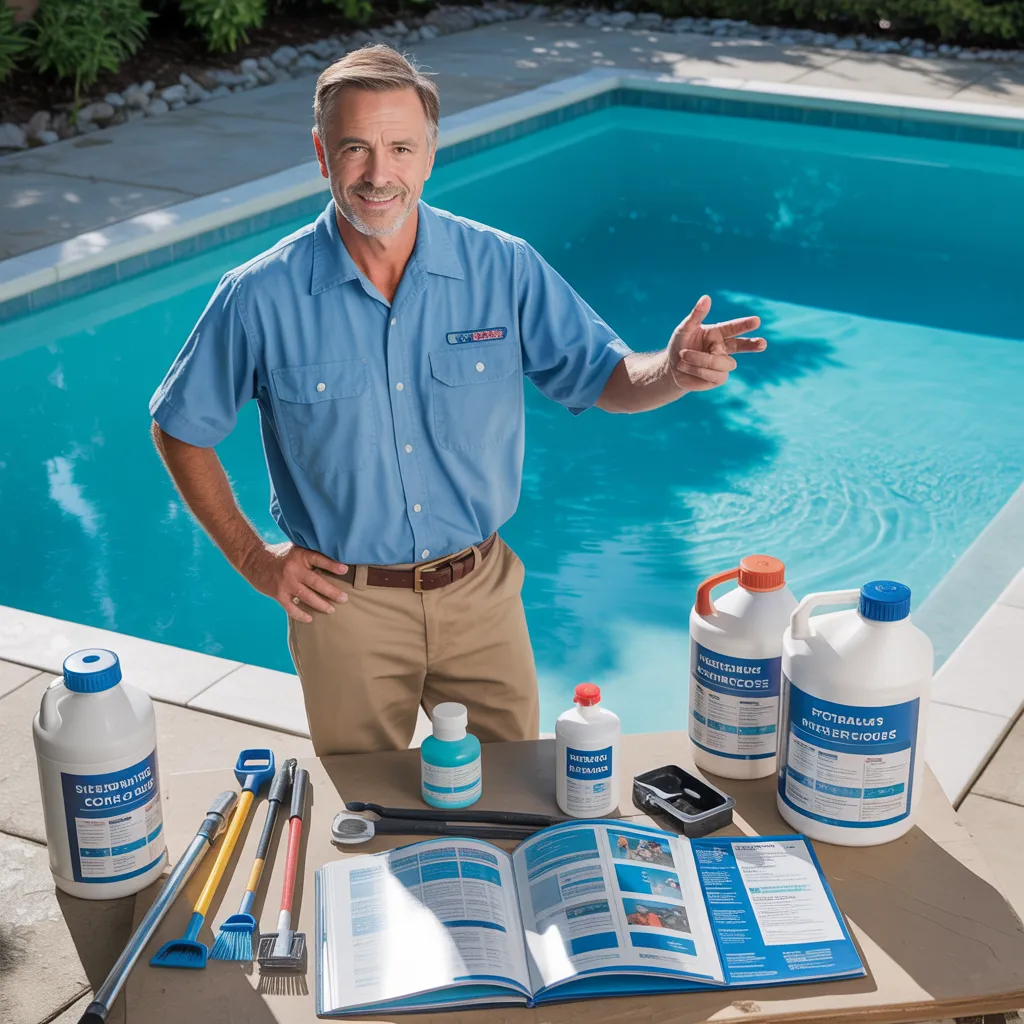
Establish Your Vision for a Pool Contractor
How does one go about establishing a clear vision when working with a pool contractor? To begin, individuals should outline their specific desires for the pool, including size, shape, and aesthetic elements. This clarity helps in conveying intentions to potential contractors. Furthermore, homeowners should evaluate the intended use of the pool, determining if it will serve recreational, fitness, or therapeutic purposes. Including design touches like water features, lighting options, or surrounding landscaping can bring greater definition to the envisioned project.
In addition, budgetary considerations have a major impact on shaping project expectations. A practical budget empowers individuals to focus on essential components while understanding limitations. Exploring different styles and materials can inspire innovative ideas, ensuring the vision remains fresh and achievable. To conclude, having a defined timeline for project completion will help identify a contractor who can work within these timeframes. By outlining these key factors, individuals can establish a thorough and complete vision that helps them identify the most suitable pool contractor.
Key Qualities to Look for When Selecting a Pool Contractor
With a clear vision established, the next step involves selecting the most suitable pool contractor to bring that vision to life. Essential qualities to evaluate include knowledge and skill in pool design and construction. A trustworthy contractor should have a collection of previous work reflecting their ability to meet various styles and budgets. Communication skills are also vital; the contractor must be approachable and transparent, making sure clients stay updated throughout the entire process.
In addition, a strong professional will hold proper licenses and insurance, offering security regarding regulatory compliance against unforeseen liabilities. Customer reviews and testimonials can provide valuable insights into the contractor's dependability and service quality. Finally, a trustworthy pool contractor should be willing to offer a thorough contract covering costs, timelines, and warranties, reflecting their commitment to quality and accountability. By evaluating these critical factors, individuals can make well-informed decisions in their search for the perfect pool contractor.
Key Questions to Ask Pool Contractors
When choosing a pool contractor, it is crucial to discuss project timeline expectations to guarantee timely completion. Furthermore, knowing the contractor's licensing and insurance information can safeguard against potential issues. These important questions will assist homeowners in making well-informed choices and identify a reliable professional.
Expected Project Timeline
Grasping project timeline expectations is crucial when selecting a pool contractor. Clients should inquire about the estimated duration for each phase of the pool construction process. Important questions to ask include: How much time will the design phase require? How long will excavation and installation be expected to take? In addition, it is important to ask about potential delays due to weather or supply chain issues. Contractors should provide a clear schedule that outlines milestones and completion dates. Grasping these timeframes allows property owners to develop practical expectations and organize their plans effectively. Moreover, clients should confirm how often they will receive updates on progress and any changes to the timeline. Such openness builds confidence and ensures a more seamless building process.
Insurance And License Information
Before engaging a pool contractor, verifying their insurance and licensing is essential to secure a safe and regulation-compliant project. Prospective clients should ask contractors for proof of insurance, including liability and workers' compensation coverage. This protects homeowners from potential financial liabilities arising from accidents or damages during construction. Moreover, ensuring that the contractor maintains a valid license confirms adherence to local regulations and professional standards. Clients should inquire about the specific licenses required in their state, as these can vary greatly. It's also wise to review any disciplinary actions or complaints filed against the contractor. By addressing these critical questions, homeowners can safeguard their investment and guarantee a smoother pool construction process.
How to Set a Budget for Your Dream Pool
Planning a budget for your dream pool necessitates thorough evaluation of multiple elements. To begin, it is essential to identify the total expenses related to installing the pool, which include materials as well as labor expenses. Moreover, one must incorporate continuous maintenance fees alongside design selections that can greatly influence the final price.
Determine Overall Pool Costs
Calculating the total costs of a pool involves thorough consideration of several factors that influence budget planning. Pool buyers should begin by evaluating the kind of pool chosen—in-ground or above-ground—as each features different price ranges. Supplementary costs may arise from materials, size, and design intricacy. Preparing the site, landscaping, and essential permits also factor into the total price. Moreover, selecting features like lighting, heating, or water features can greatly affect the total budget. It is also prudent to plan for unexpected expenses during installation. By detailing these elements, property owners can build a practical financial plan, confirming they keep to their financial limits while reaching their perfect pool. Thorough planning ultimately results in informed decisions and a rewarding outcome.
Incorporate Maintenance Costs
When designing a dream pool, factoring in maintenance costs is essential for a comprehensive budget. Pool owners need to account for the recurring expenses tied to pool maintenance, including water treatment, cleaning supplies, and equipment repairs. Consistent maintenance can reduce the risk of major repair costs later, making it a fundamental component of responsible pool ownership. Furthermore, utility costs like water and electricity contribute greatly to total expenses, as they change according to usage patterns and local utility rates. Setting aside a dedicated monthly budget for these expenses guarantees that homeowners can enjoy their pool without unexpected financial strain. By calculating these costs upfront, individuals can create a realistic and thorough budget that accommodates both initial installation and long-term maintenance needs.
Account For Design Choices
Including design elements considerably influences the overall budget for a desired pool. Property owners must assess elements such as pool dimensions, shape, and features like lighting, waterfalls, and decking options. Each design component can considerably impact costs, with intricate features often requiring more labor and materials.
Moreover, the choice of finishes—whether choosing plaster, tile, or vinyl—can influence both visual appeal and financial considerations. Homeowners should also take into account landscaping elements and adjacent amenities, as these enhance the complete experience and practical use of the swimming pool space.
To establish a practical budget, it is crucial to emphasize design features that match personal style while staying aware of total expenses. Consulting with skilled contractors can additionally fine-tune these selections within budget boundaries.
Everything You Should Know About Pool Construction Timelines
Understanding pool building schedules is essential for homeowners seeking to upgrade their backyard area. Typically, the whole project can take anywhere from several weeks to a few months, depending on various factors. The early design and permit acquisition phases often require several weeks, as securing the required permits can be time-consuming.
Once permits are secured, the excavation phase usually spans several days, with the subsequent setting up the plumbing and electrical systems. The building process of the pool structure, be it concrete or fiberglass, may require a few more weeks.
Subsequent phases, encompassing decking, landscaping, and finishing touches, will factor into the general schedule. Climate conditions and the availability of contractors may additionally affect project deadlines. Understanding these components helps homeowners develop reasonable projections, making certain they are knowledgeable at every stage of construction. Through awareness of potential outcomes, they can more successfully organize their schedules and commitments.
Guidelines for Going Over Contracts With Your Pool Contractor
After gaining insight into the pool construction timeline, homeowners ought to direct their focus toward the contracts submitted by their pool contractors. A comprehensive review of the contract is essential for ensuring that all expectations are clearly defined. Homeowners should begin by checking that all project details, including materials, timelines, and costs, are properly detailed. It's crucial to check for clauses regarding changes or delays and understand the implications of each.
Furthermore, homeowners should scrutinize the payment timeline, ensuring it aligns with key project benchmarks. This avoids paying too much before the job is finished. Warranty details should additionally be clearly defined, including both materials and labor quality.
Finally , homebuyers should verify that the service provider is certified and covered by insurance , as this protects against potential liabilities . Engaging a legal expert for a final review can provide additional peace of mind , ensuring that all terms are fair and thorough .
Popular Questions and Answers
What Kinds of Pools Do Contractors Usually Specialize In?
Contractors generally focus in multiple pool types, including above-ground, inground, fiberglass, vinyl liner, and concrete pools. Every type provides exceptional benefits and design possibilities, serving varied tastes and financial get the full story considerations among those seeking quality aquatic installations.
What Is the Best Way to Verify a Contractor's License and Insurance?
To confirm a contractor's licensing and insurance, you should consult state licensing boards and obtain proof of insurance. Additionally, checking online reviews and reaching out to former clients can give greater peace of mind about the contractor's authenticity.
What Kind of Warranties Do Pool Contractors Generally Provide?
Pool contractors generally provide warranties covering materials, equipment, and workmanship. These warranties can range from one to ten years, ensuring protection against defects and providing peace of mind for homeowners making investments in pool installations.
Do Contractors Help With Landscaping Around the Pool Area?
Indeed, professional contractors regularly provide assistance with landscaping around pools, delivering services like designing outdoor spaces, planting, and hardscaping. Their proficiency guarantees a cohesive look that improves the overall appearance and usability of the pool area.
What Are the Typical Hidden Costs in Pool Construction?
Typical concealed expenses in pool building involve excavation difficulties, debris removal charges, extra permits, yard modifications, pipe alterations, and unforeseen site issues. Homeowners should prepare for these expenses to avoid budget overruns during the project.